FORT WORTH'S TREE & SHRUB SYMPTOM GUIDE
What's Wrong With My Tree or Bush?
Find your category below, scan for what matches — leaves, bark, or overall shape. If you want a certain answer instead of a guess, one free visit settles it.
Dedicated Tree & Shrub Doctors
Free, In-Person Evaluations — No Cost Unless You Move Forward
Serving Fort Worth, Arlington, Mansfield, Burleson, Southlake, Colleyville, Keller, Trophy Club, Aledo, and Surrounding Tarrant County Communities
Still not sure after reading? Send us a picture
Upload a photo of the leaf, bark, or bush — or describe a more complicated situation than a quick form can cover — on our Contact page. It helps us understand what you’re seeing before we even arrive. (A photo helps us prepare, but it’s not a diagnosis — some things can only be confirmed in person.)
- Want a fast urgency check instead of reading through everything? Try our Quick Health Check on the homepage — 8 questions, about a minute, tells you how urgent this is.
Quick Reference: What You're Seeing, and What It Likely Means
Leaves & Foliage
Trees
|
Symptom
|
Cause
|
|---|---|
|
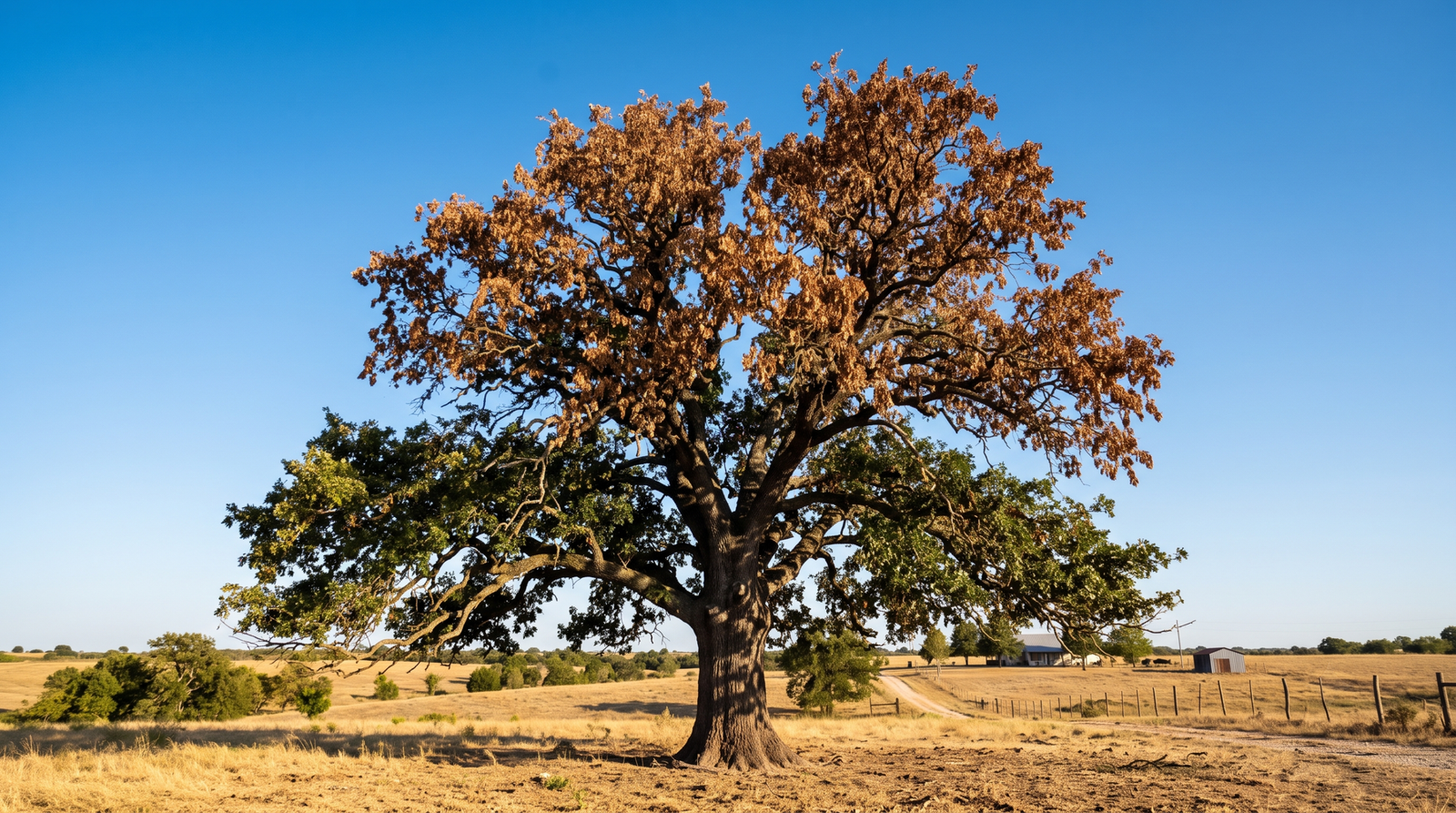
Oak leaves wilting top-down, in summer
|
Oak Wilt — fast-spreading fungal disease
|
|
Live Oak dropping lots of leaves in spring
|
Normal seasonal drop — new growth coming in
|
|
Normal seasonal drop — new growth coming in
|
Too much afternoon sun or heat stress
|
|
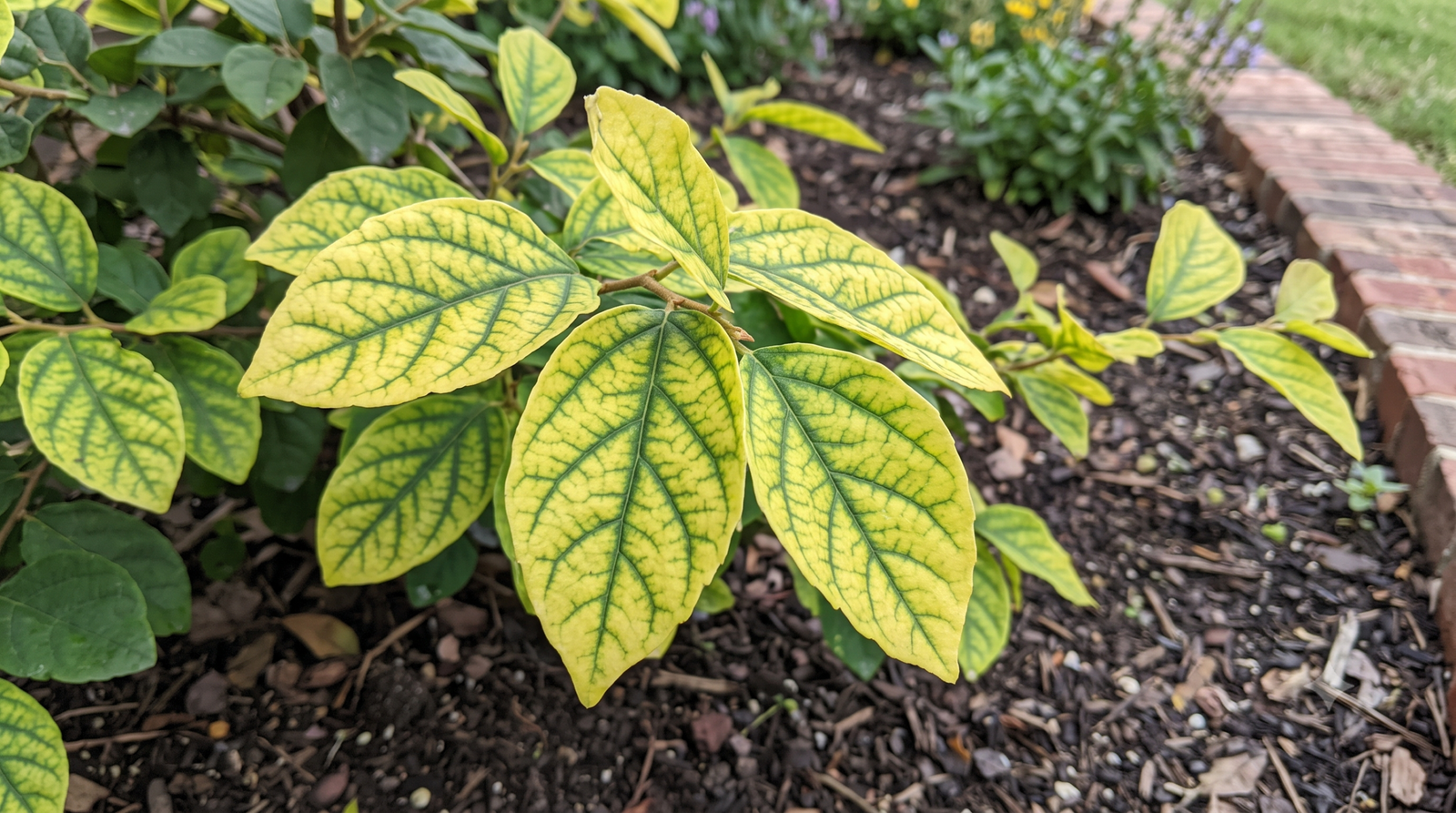
Redbud leaves turning yellow
|
Verticillium wilt or drought stress
|
Shrubs & Hedges
|
Symptom
|
Cause
|
|---|---|
|
Azalea leaves pale, stippled, declining
|
Alkaline soil, root rot, or lace bugs
|
|
Boxwood turning brown
|
Blight, winter bronzing, or root rot
|
|
Hydrangea leaf edges browning
|
Sun or water stress (leaf scorch)
|
|
Holly bush turning brown
|
Heat stress from reflected sun
|
|
Ligustrum leaves turning yellow
|
Ligustrum leaves turning yellow
|
|
Nandina turning red/bronze in winter
|
Normal seasonal color — not a problem
|
General (Any Tree or Shrub)
|
Symptom
|
Cause
|
|---|---|
|
General (Any Tree or Shrub)
|
Could be nutrients, water, roots, or disease
|
Bark & Trunk
|
Symptom
|
Cause
|
|---|---|
|
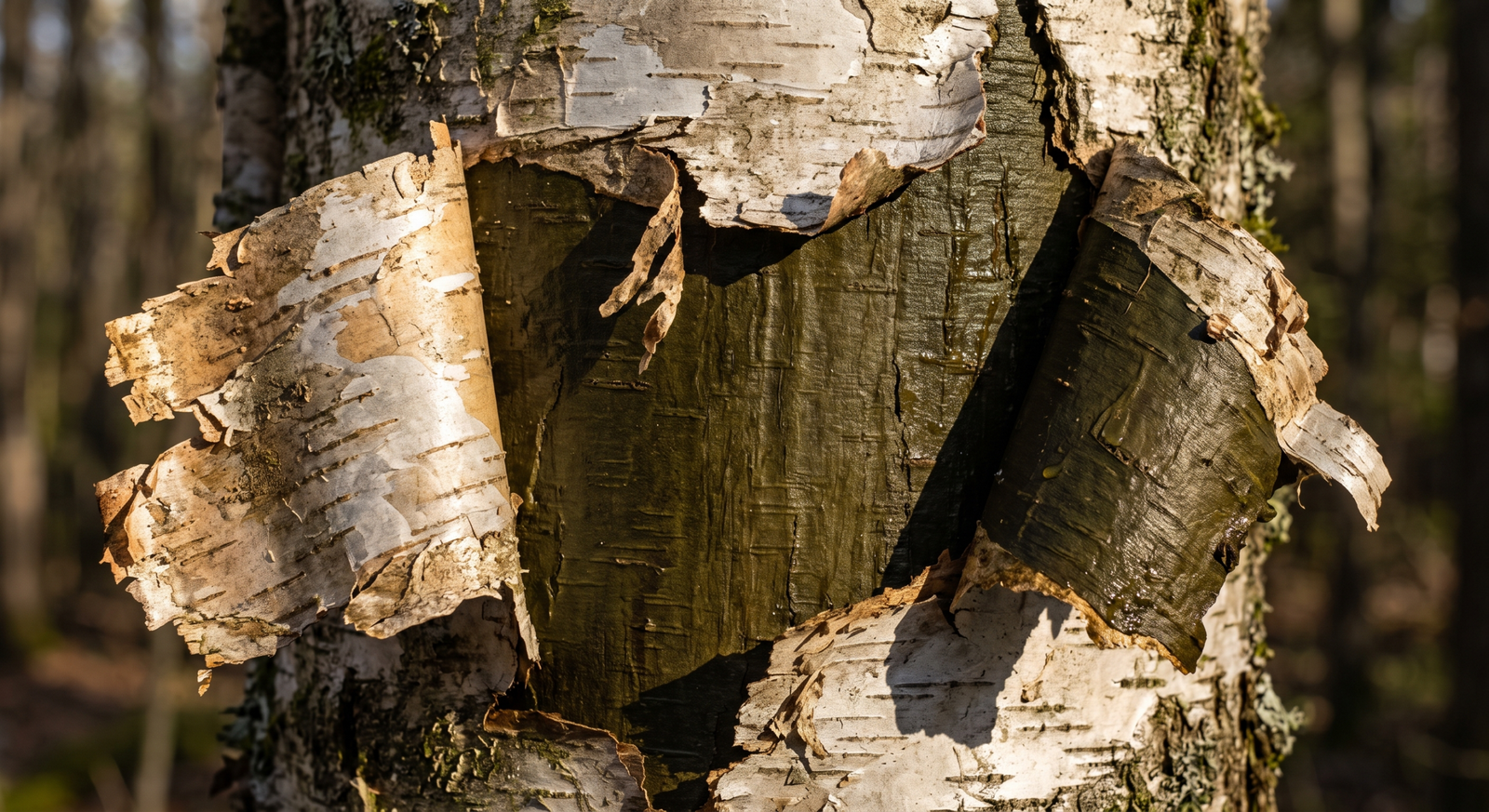
Bark peeling in sheets, dark layer underneath
|
Hypoxylon Canker — after heat/drought stress
|
|
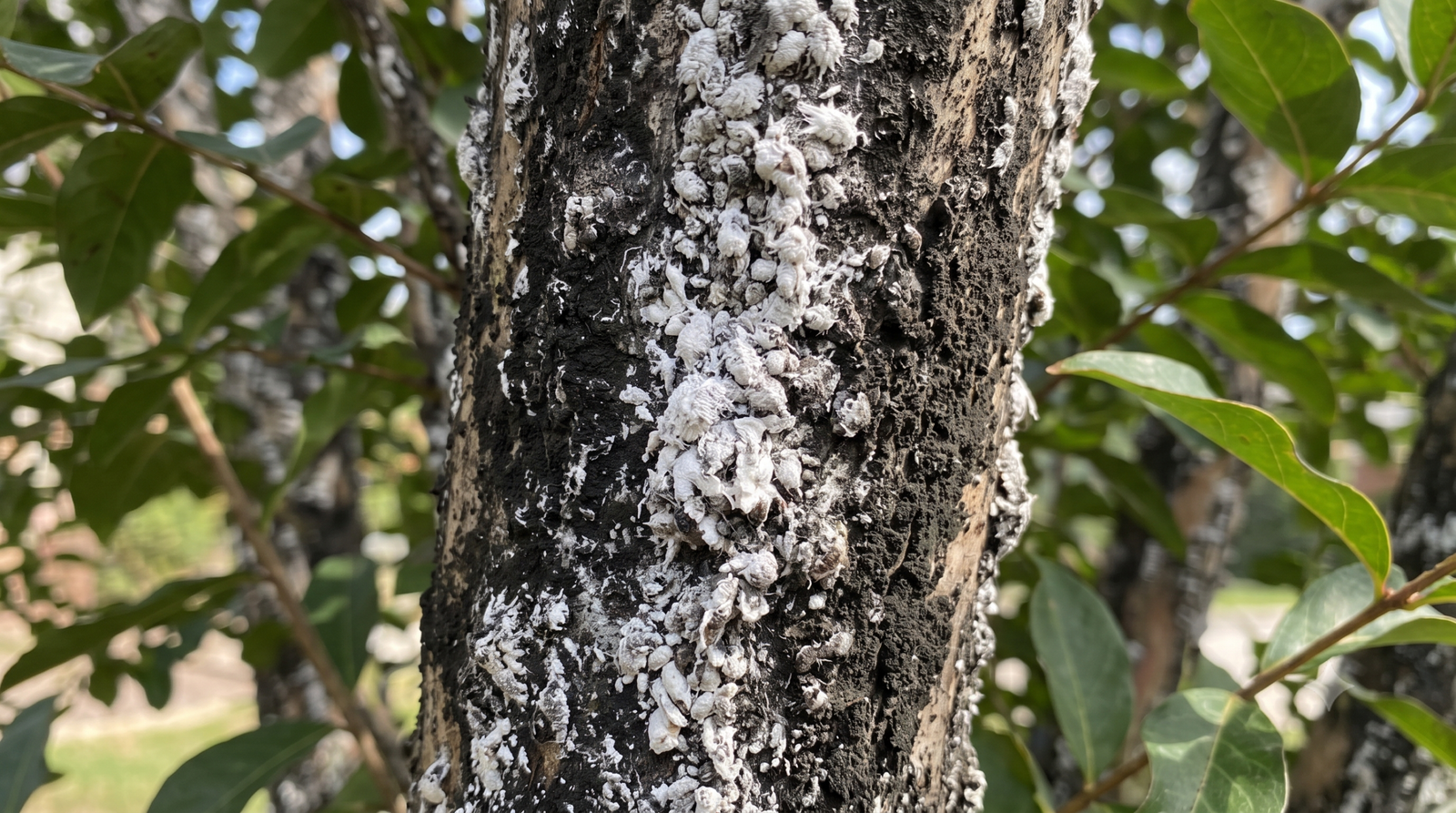
Crepe myrtle's bark turning black
|
Bark scale — insect film + sooty mold
|
|
Sap or small holes in the trunk
|
Possible boring insect activity
|
|
Mushrooms at the base of the tree
|
Active internal decay
|
Roots & Structure
|
Symptom
|
Cause
|
|---|---|
|
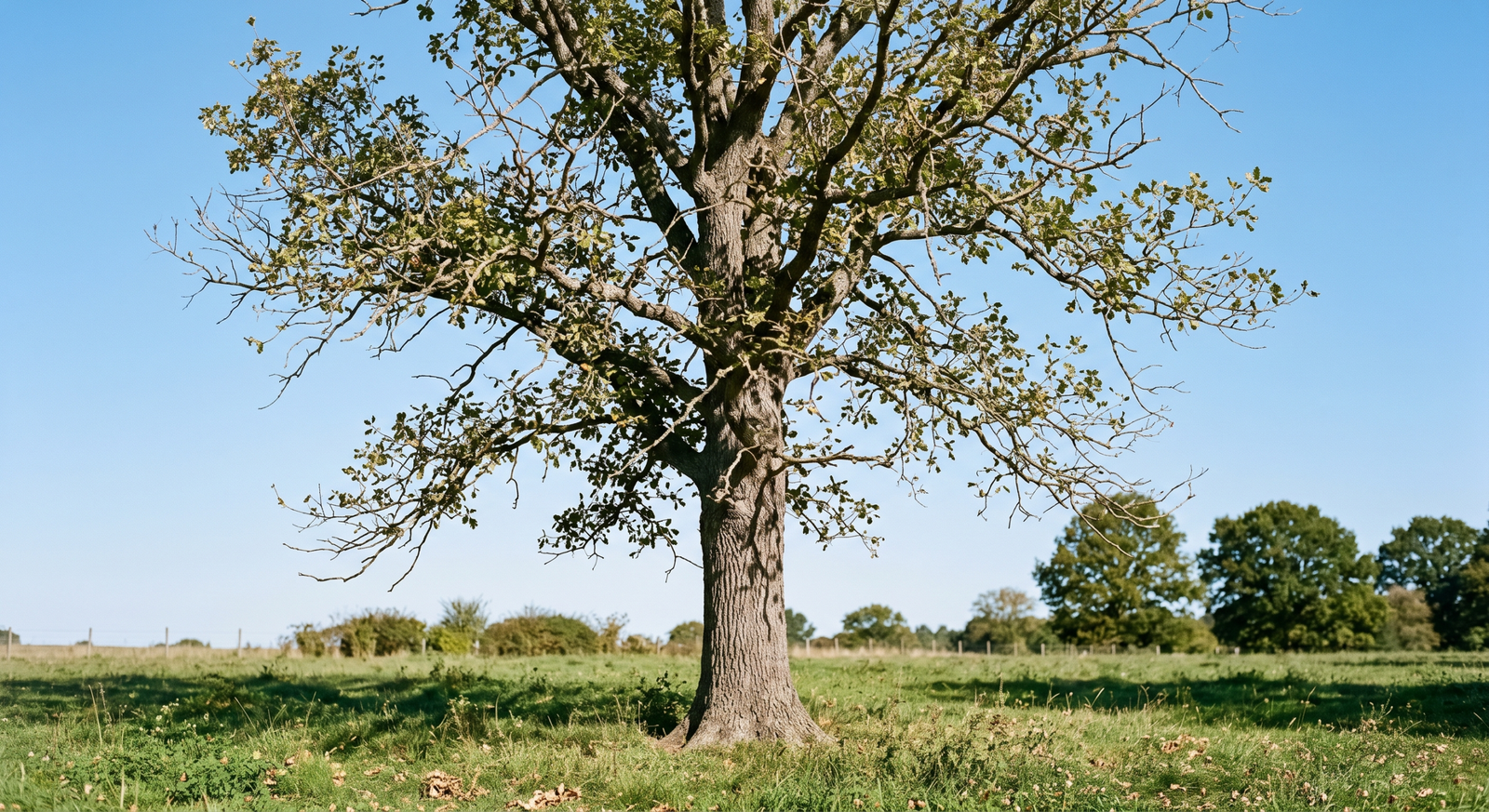
One branch dying, rest of tree fine
|
Isolated damage — not the whole tree
|
|
Isolated damage — not the whole tree
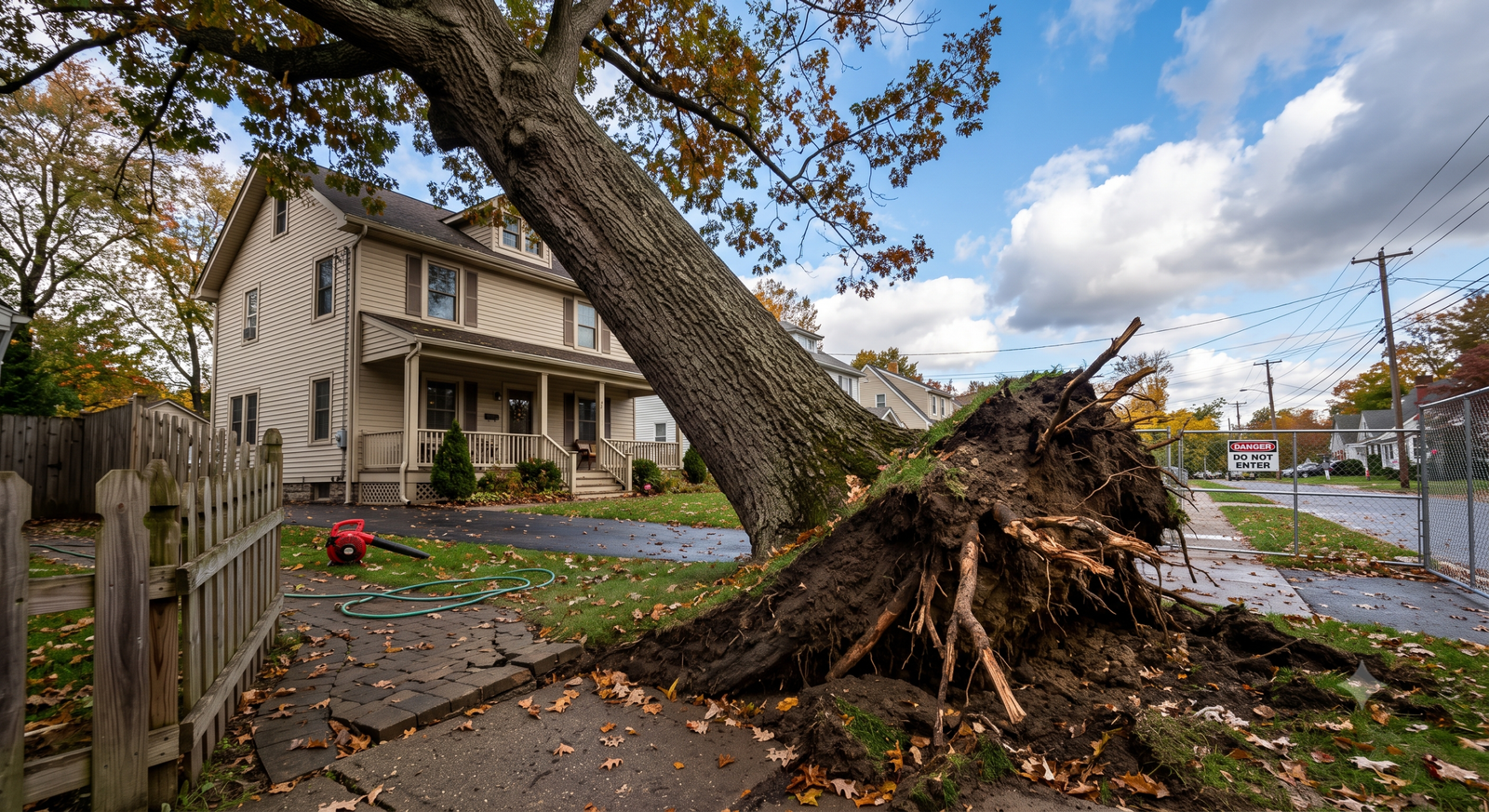
|
Root instability — worth a prompt look
|
|
Hedge full on top, bare underneath
|
Usually just sunlight blocking lower growth
|
|
Canopy thinner than last year
|
Stress — drought, storm, or construction
|
Palms
|
Symptom
|
Cause
|
|---|---|
|
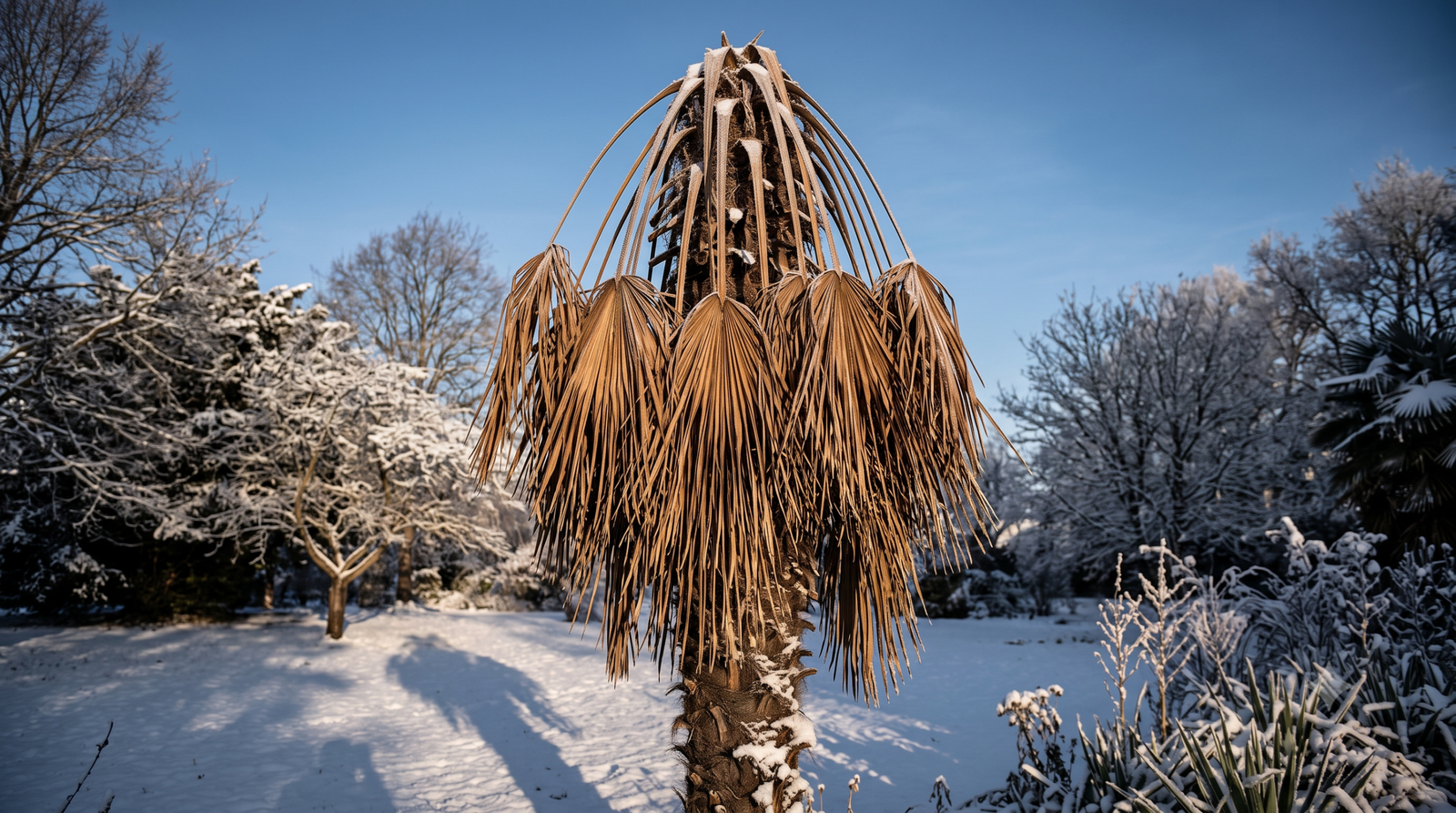
Fronds brown and collapsed after a freeze
|
Freeze damage — often recoverable
|
|
Fronds turning brown, no recent freeze
|
Drought, nutrients, or natural aging
|
|
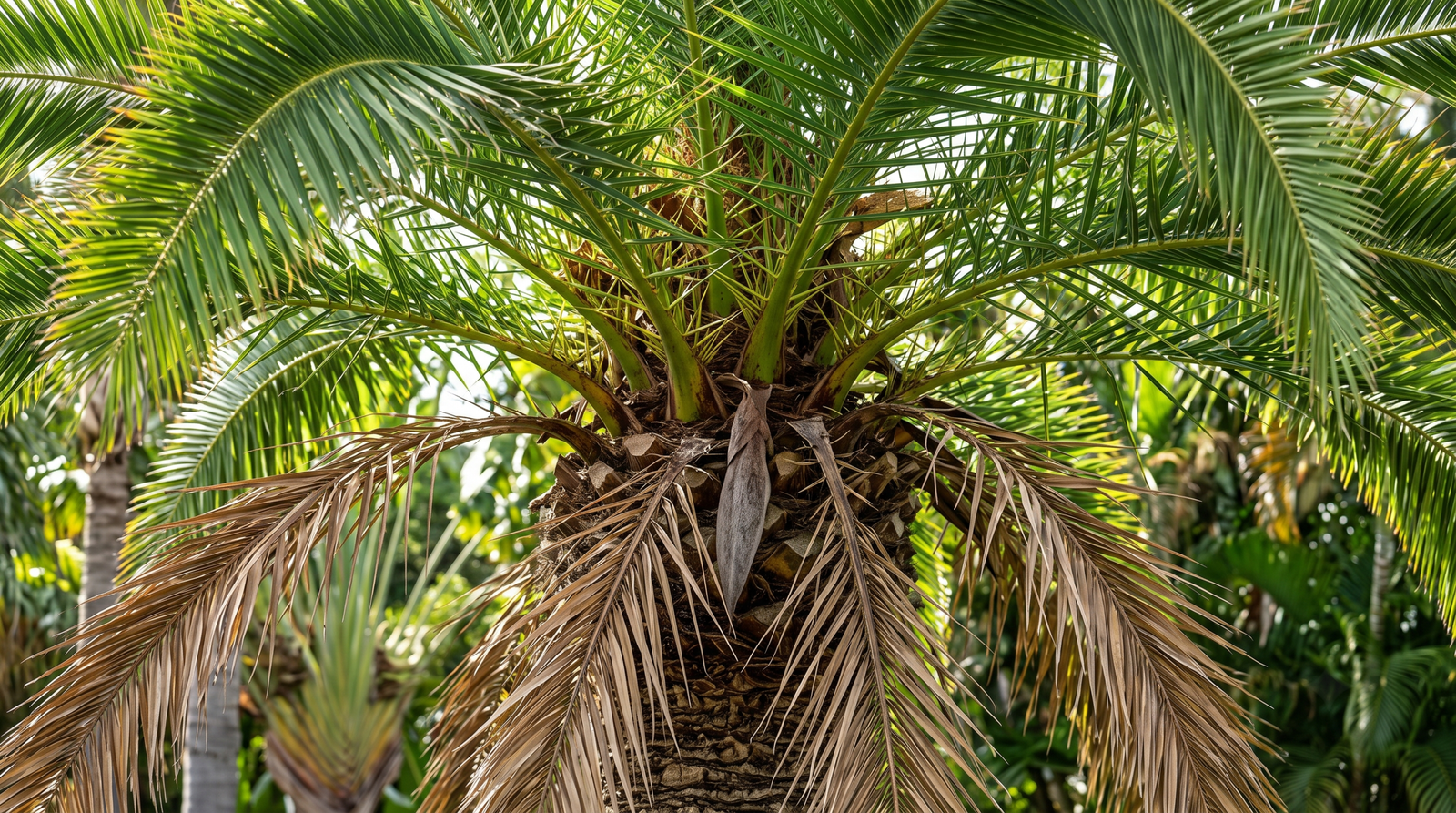
Not sure if it's dead or alive
|
Check the crown — firm/green means alive
|
Still not sure which one matches? Send us a photo and a quick description — that's all we need to take a first look.
Disclaimer: A photo and description help us prepare, but they’re not a diagnosis — some things can only be confirmed in person.
Still Not Sure? Get Your Sick Tree Checked in Fort Worth
A guide can point you in the right direction — a real answer takes one free visit. Whether it’s one tree in your backyard or several across a property you manage, here’s where to go next:
Something looks actively wrong → See how we treat it
Not sure, just want a professional look → Get a Tree Health Checkup
Already been told it needs to come down → Get a Second Opinion
Questions about cost, service area, or how this works → Visit our FAQ
Want to send a picture instead of describing it? → Contact us here
Prefer to talk it through first? Call +18170000000 — speak directly with your local Certified Arborist.
Prefer to talk it through first? Call +18170000000 — speak directly with your local Certified Arborist.